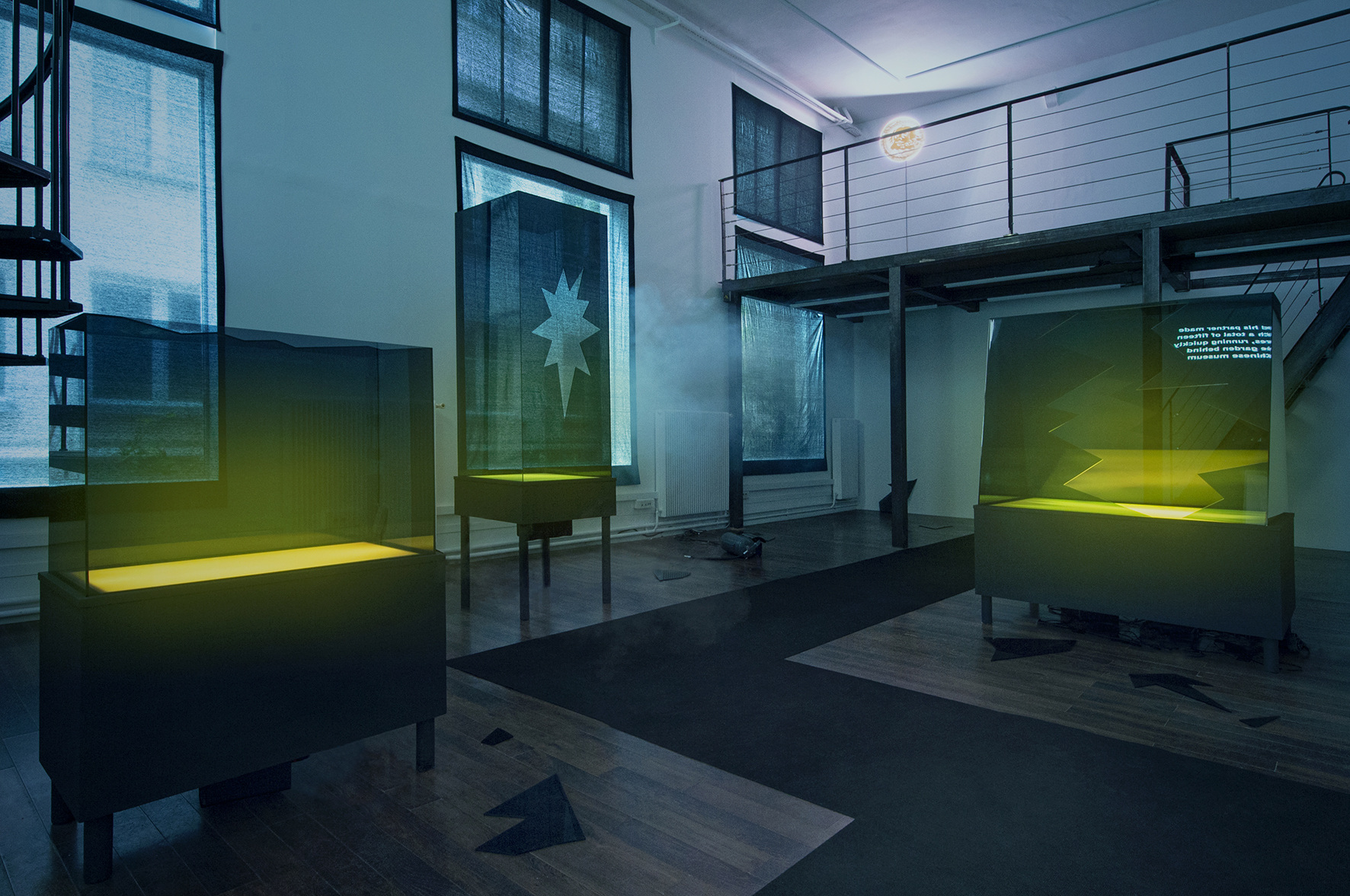
Calico Human is the result of 2 years of artistic research in collaboration with scientist Prof. Chris Marine and his team at the VIB Center for Cancer Biology. Calico Human examines the plausibility and desirability to manipulate skin color through the use of new biomedical technologies. This is done by inducing “safe” tanning (by activating the melanin-producing ability of specialized cells - known as melanocytes- without causing skin damage) with the primary goal to decrease the risk of melanoma, an aggressive form of skin cancer which is induced by exposure to UV of sunlight.
Melanoma, the most lethal form of skin cancer find its origin in a very specialized cell type (melanocytes) that produce “melanin”. “Melanin” is the pigment that gives people’s skin color. It has been clearly established that exposure to ultraviolet (UV) radiation from sunlight or tanning lamps and beds drastically increases the risk of developing melanoma. Accordingly, the incidence of melanoma is clearly connected with the skin color and the history of migration. For example, the incidence of melanoma is 10-times higher in Australia and New Zealand. It is because the skin of most Australians and New Zealanders, whose descendants come from UK, is not adapted to the “sunny” environment (which is further exacerbated by the ozone hole over these regions). Basically, through migration, these two countries have been populated by many people with fair skin whose ancestors come from much less sunny climates (UK). Lack of protective pigmentation leaves skin cells especially vulnerable to the DNA-damaging rays from the sun.
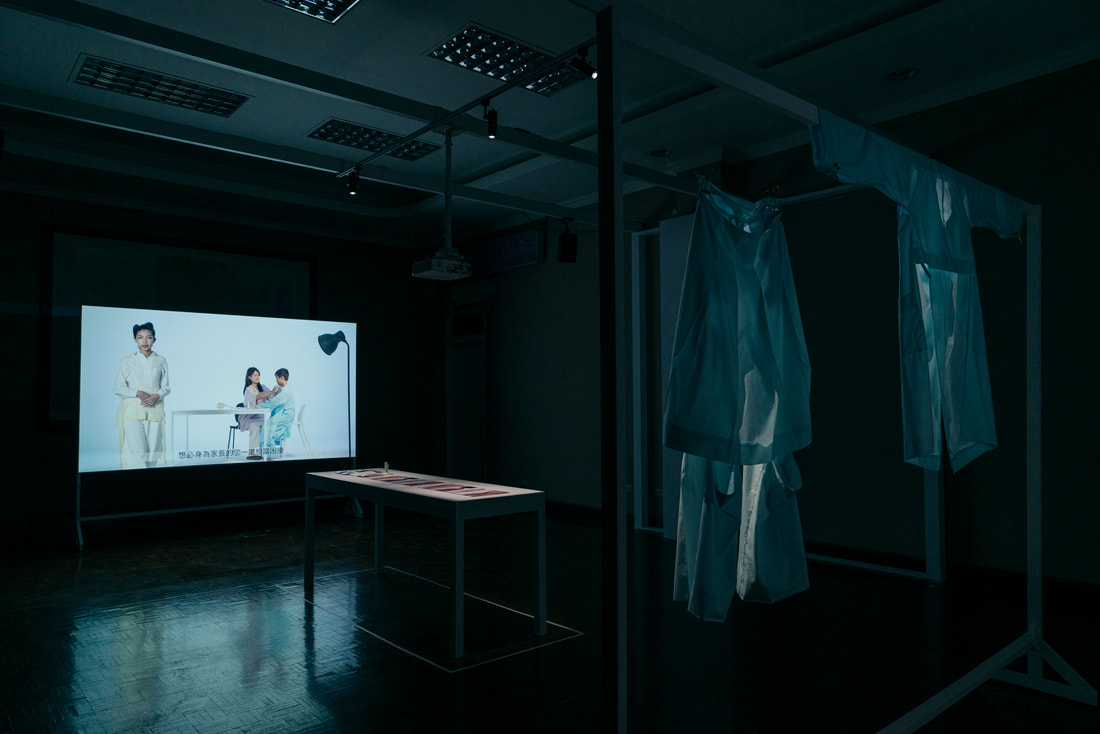
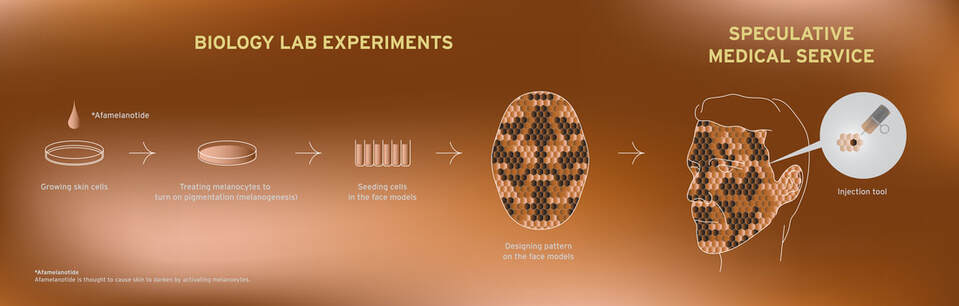
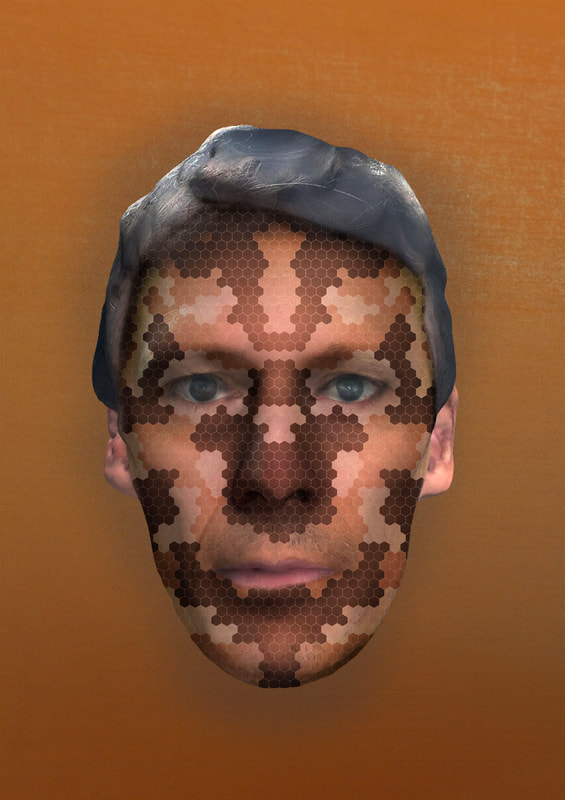
In order to reduce the risk of melanoma, changing skin color could be one of the crucial roles within this problem. According to the scientific researches, it is already possible to use a phenolic extract from the leaves of camel grass to treat normal melanocytes to turn on pigmentation (melanogenesis). Therefore, the scientific research team, in collaboration with Ku, use a plant extract to treat melanocytes with varying concentrations to activate pigmentation. And then they dispense the cells of different levels of darkness into a 3D face model with hexagon-wells in a pattern to explore the diversity of skin color. The pattern is designed by both esthetic reasons and the functionality of protecting the skin form UV of sunlight. For example, the T-zone (forehead, nose and chin) in face should be the darkest in the designed pattern, because it is exposed to sun the most. This pilot experiments was conducted in order to assess what could eventually be done on human skin. The outcomes of the experiments are also displayed in the exhibition.
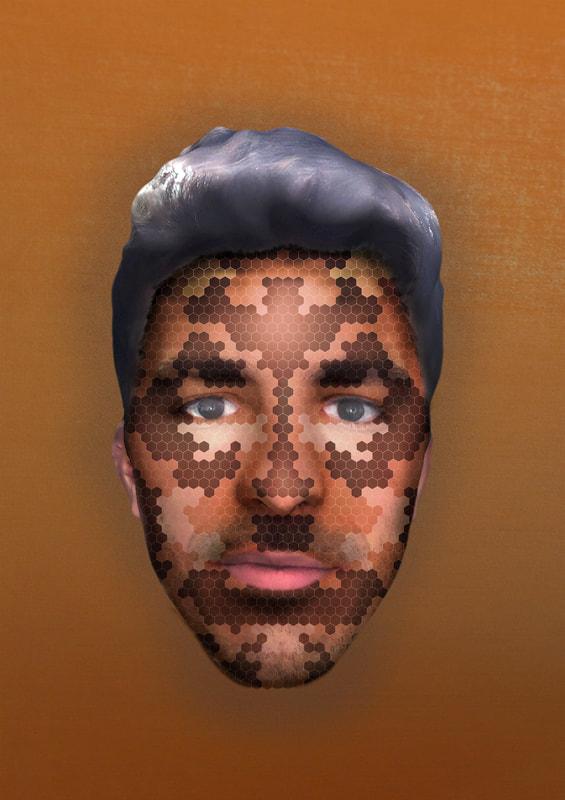
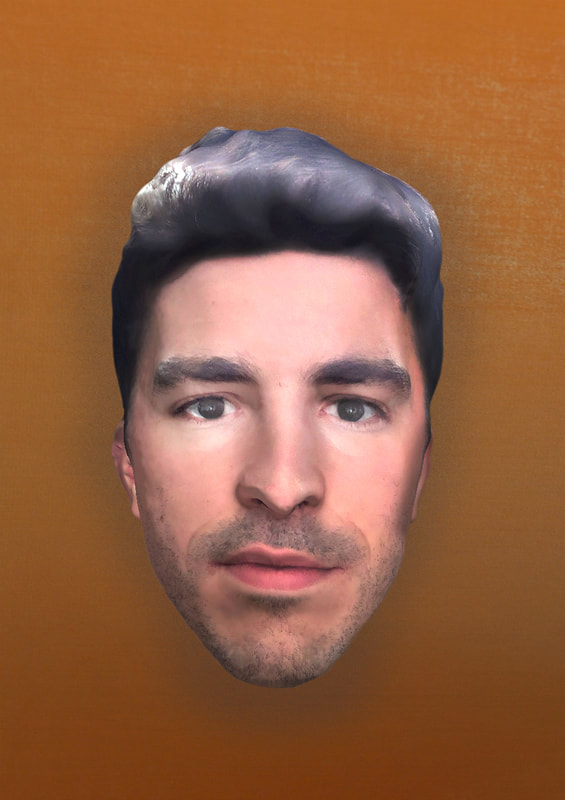
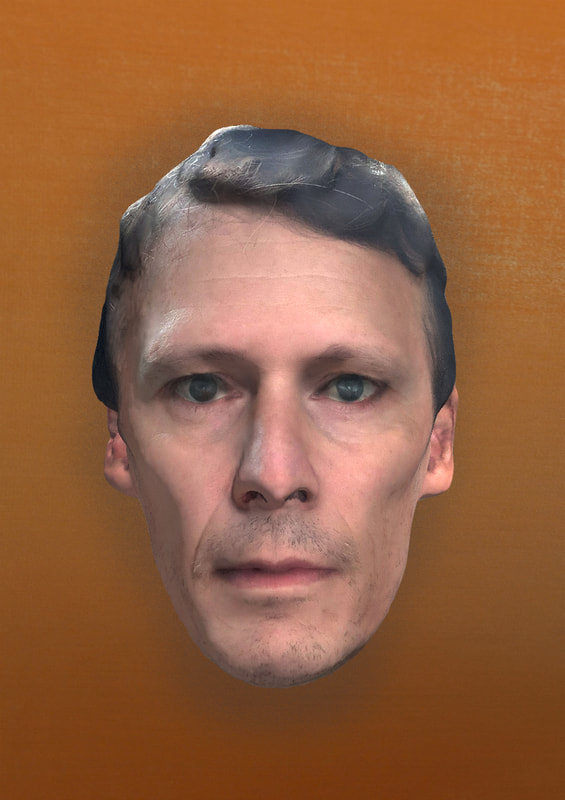
According to the results of pilot experiments, this method is used in the context of this project for the creation of a series of 3D generated portraits showing what could eventually be done on human skin. The 3D faces have developed hyperpigmented patches of skin color, evoking the image of a Calico cat. With this project Kuang-Yi Ku aims to explore the complex relationships between race, migration, health, fashion and the future of biomedical services.
Credits:
Artist: Kuang-Yi Ku
Scientist: Chris Marine
Experiment design of cell cultivation: Ewout Landeloos
3D face model design and production: Suzanne Bongers
Introductory video making: Berend van Rossum
Graphic design: Yu-Tzu Huang
Research assistance: Yu-Chun Lo
Concept video making: Jian-Da Huang
Costume design: Chia-Wei Tien
Prop design: Hung Lu Chan, Hsin Min Chan, Ying Chen
Filming assistant: Tzu-Yen Chen, Shun-Chih Chang
Make-up artist: Leanne van Niekerk
Model: Anna de Charentenay
Supported and sponsored by European Commission, Gluon (BE), VIB (BE), National Culture and Arts Foundation (TW).

.jpg)